COMMENTARY: War of words is won by he who is punched last
By Nafees Alam, InsideSources.com
July 18, 2026 - 9:00 pm
Americans have stopped arguing to persuade and now argue to wound. Every exchange feels like a series of blows, each strike landing on a populace that has forgotten what the original conflict was about. The nation has split into two camps, each convinced it is defending itself while blaming the other side for starting the fight.
Researchers note the growing damage. Partisans increasingly view the opposing camp as a threat to the country’s survival. They cross ideological lines less often, befriend those who think alike less frequently, and would rather not live near neighbors who vote differently.
The sorting is nearly complete, and hostility intensifies with each cycle.
Here is the uncomfortable truth: both sides are correct about the other. The left threw a punch; so did the right. That is how a feud works. Cause and effect blur until all that remains is the act of punching. Ask any partisan why they swung, and the answer never changes: they were provoked, they were responding, they were defending themselves. Retaliation feels like justice, which is precisely why it never ends.
Thus, the assertion that will sound like surrender to most readers is this: the war of words will be won by whoever is willing to be punched last. One side must absorb the final insult and refrain from striking back. That side must let the insult hang in the air, unanswered, and walk away while the other arm remains cocked.
Choosing not to retaliate is the hardest lesson a combatant learns. It may look like weakness from the cheap seats, but it is the opposite.
History has already tested this idea. The most enduring victories of the past century—from Mahatma Gandhi’s independence struggle to the American civil‑rights movement—were won by people who trained themselves to absorb blows and hold their ground without returning them. Images of demonstrators absorbing violence without striking back changed more minds than any counterattack ever could. Those movements accepted the final blow on purpose, and the watching public scored the victory for them. Restraint, broadcast widely, achieved what aggression never could.
The mindset that keeps people fighting perpetuates war; the mindset that stops fighting wins the nation. Regardless of which side a person belongs to, the path to victory runs straight through that side’s own restraint. The opponent’s choice was never the real prize; self‑command was. A populace that can govern its own reflexes can eventually govern a nation, because it has demonstrated the one quality voters quietly crave in an era of noise: the ability to stay calm under fire.
There is a deeper reason this works: polarization thrives on symmetry. Each side needs the other to keep swinging, because every incoming punch justifies the next outgoing one. Remove one fist from the exchange and the whole mechanism loses its fuel. An aggressor swinging at empty air does not look heroic; he looks unhinged, and the crowd notices.
This is not a call for cowardice or for abandoning conviction. A person can hold a position with full conviction and still choose to absorb an insult. Firmness of principle and restraint of temper are entirely compatible, and the combination is far more formidable than rage.
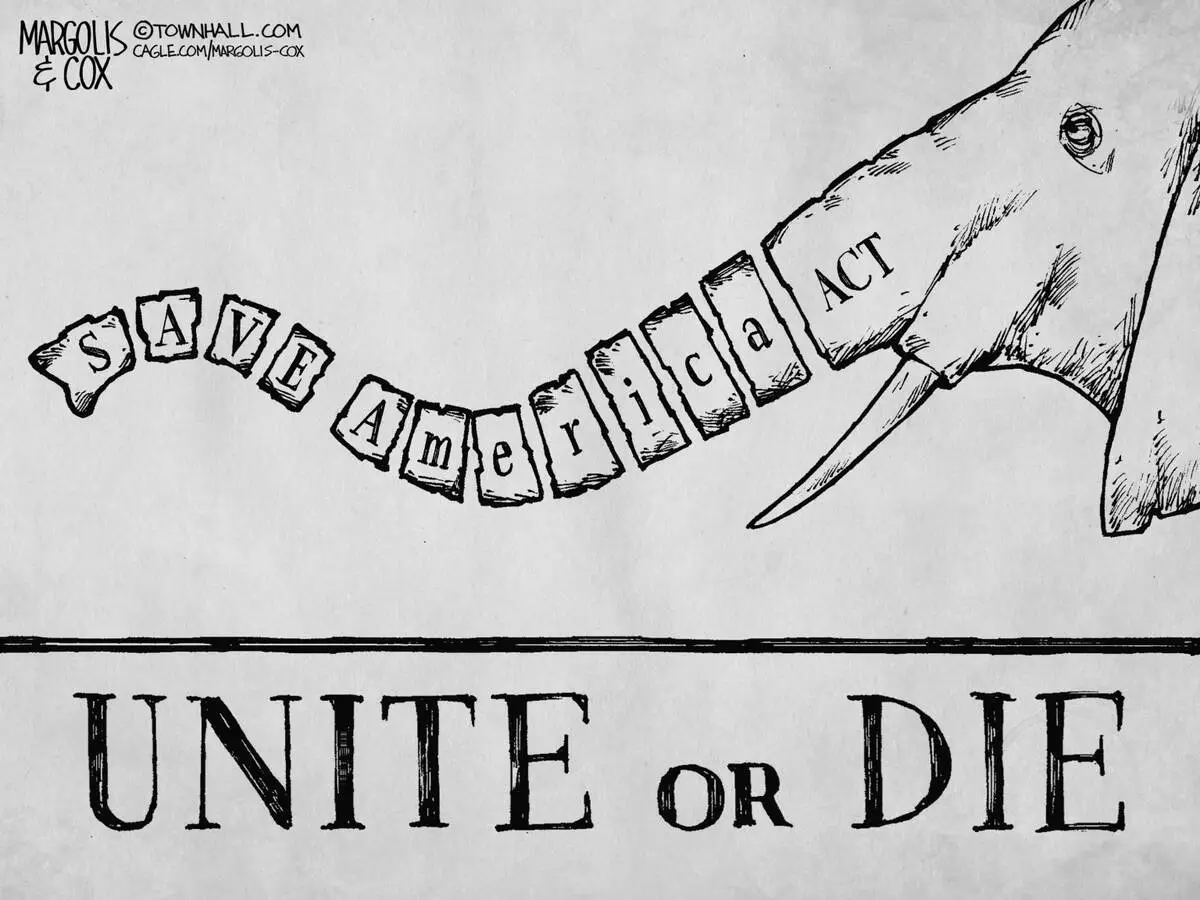
The choice is stark. The nation can keep trading blows until the last bell that will never ring, or one side can lower its hands first and let the other strike at empty air until it tires. The first decision belongs to whoever is brave enough to appear weak in order to make the federation strong.
Nafees Alam is a professor of social work at Boise State University. He wrote this piece for InsideSources.com.

 Sincity Press Staff
8 hours ago 4 min read
3
Sincity Press Staff
8 hours ago 4 min read
3 





 English (US)·