

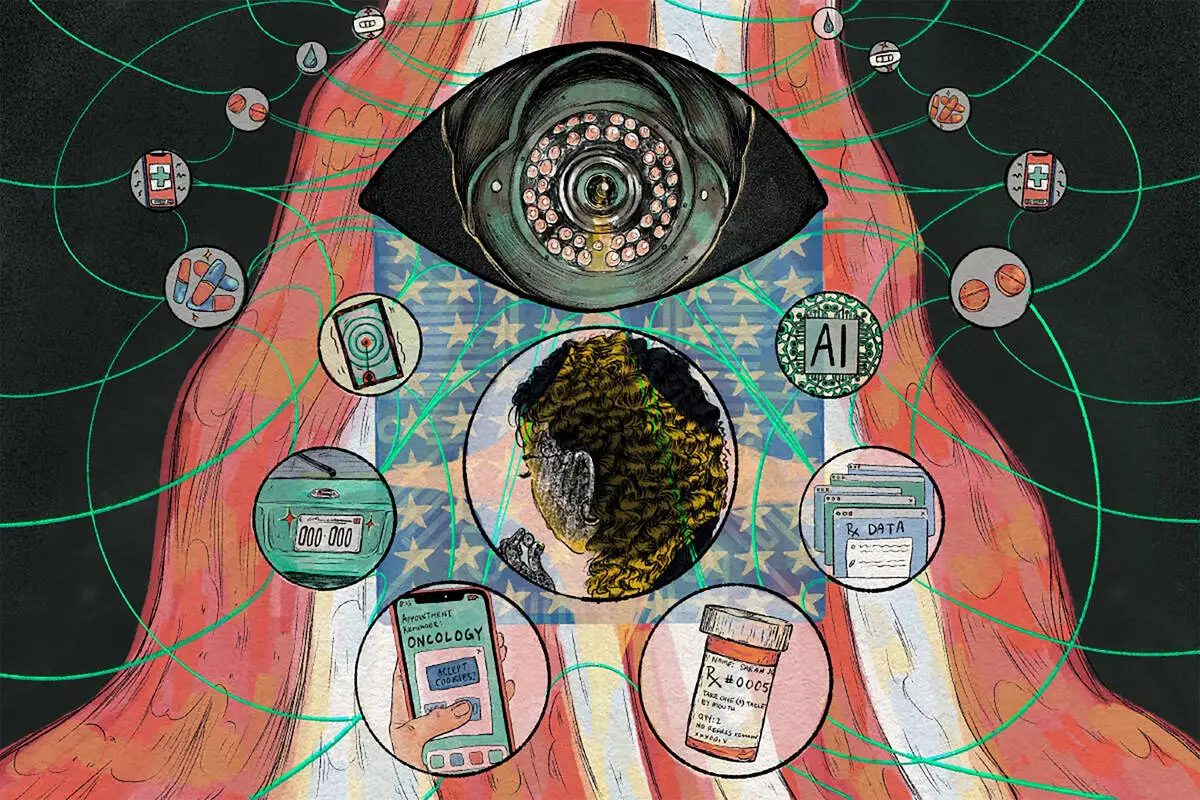
When patients sit in hospitals, abortion clinics or other health‑related venues, the location data emitted by their cellphones is not protected by HIPAA. That gap has let data brokers link a person’s whereabouts with other information to infer health conditions and sell those profiles to advertisers. One such patient, Chris McQueen, finished leukemia treatment a year and a half ago but continues to see ads for juice cleanses, “natural” cancer cures and overseas clinics while he attends routine oncologist visits and blood‑work appointments.
McQueen and others have taken to social media to vent about the practice, saying it feels invasive. “It makes me feel sick to my stomach,” said McQueen, who lives in San Diego. Eric Ellsworth, director of health policy and innovation at the Center for the Study of Services, warned that “Data brokers typically are just hoovering up data from the open web and then buying it from anybody.” A 2022 American Medical Association survey found more than 92 percent of patients believe their health data should not be for sale.
The U.S. government has begun penalizing some firms that track Americans at health facilities and places of worship, and the Federal Trade Commission warned retailers in August about using private consumer data to raise prices. Privacy experts say isolated actions won’t curb an industry built on mass data collection and are urging state or congressional bans, noting that settlements are not law. F. Mario Trujillo of the Electronic Frontier Foundation countered that while “location data itself is not sensitive data,” “location data is sensitive. It’s the comprehensive collection of location data that reveals sensitive things.” Advertising groups argue targeted ads save time and fund free digital services.
Digital advertising remains a major profit driver for big‑tech firms. A 2024 report from the Federal Reserve Bank of St. Louis showed that profit margins for Alphabet, Meta and Microsoft were at least twice the average for the services sector, underscoring the financial stakes behind the ongoing privacy debate.
Sources: Las Vegas Review-Journal
Original reporting: Las Vegas Review-Journal →



 English (US)·