Lake Powell hits record low, threatening key water and electricity supply for millions

Sincity Press Staff 2 hours ago 2 min read 1
Sincity Press Brief

The water level at Lake Powell, the United States’ second-largest reservoir, has fallen to a record low, heightening concerns about the ongoing crisis in the Colorado River system.

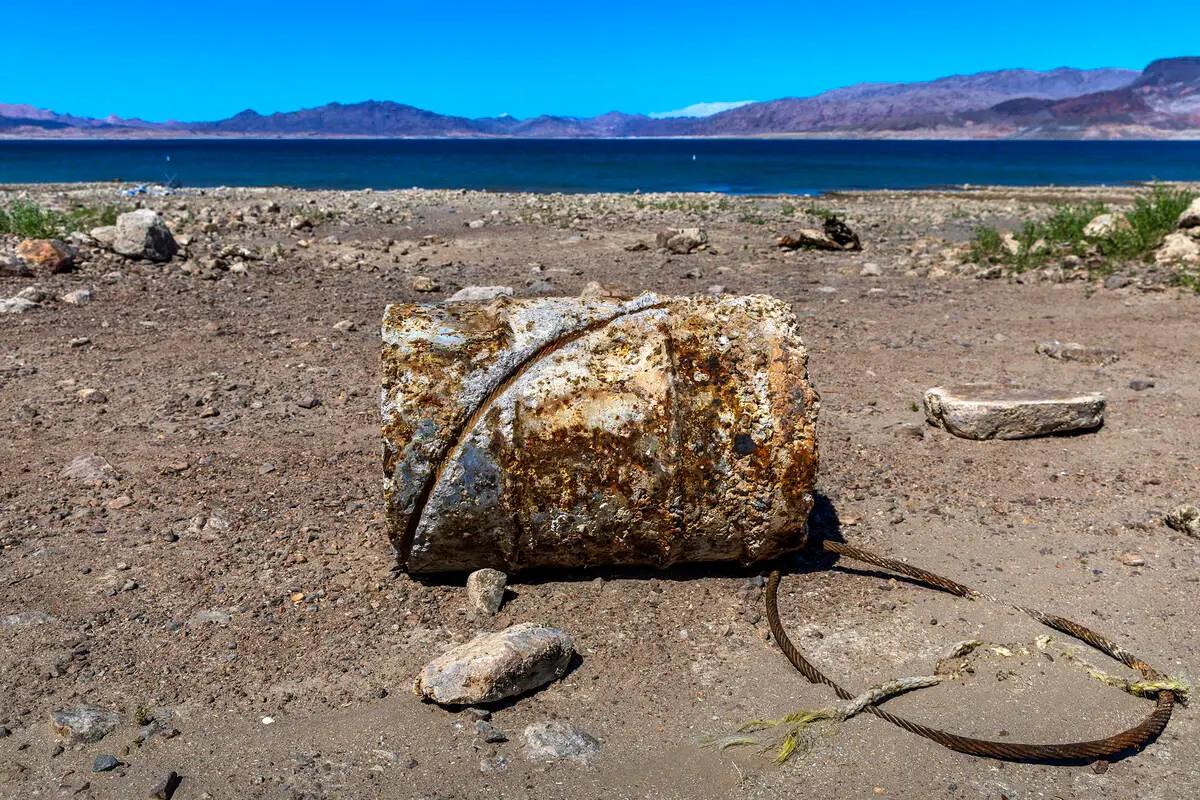
By The Associated Press August 17, 2026 - 9:23 am The water level at Lake Powell, the nation’s second‑largest reservoir, has fallen to a record low, intensifying worries about the prolonged strain on the Colorado River system. This troubling milestone, reached Saturday, arrived roughly one week after Lake Mead also registered a historic low. Declining reservoir levels pose a serious threat to the Colorado River Basin, which supplies water for wildlife, hydropower generation, and more than 40 million residents across seven states. The new lows emerge as the federal government and the states that depend on the river—California, Arizona, Nevada, New Mexico, Utah, Wyoming and Colorado—struggle to agree on a long‑term conservation plan for the shrinking resource. Continued overuse, a record‑dry winter, and rising temperatures have been draining both Lake Powell and Lake Mead. According to the U.S. Bureau of Reclamation, Lake Powell’s elevation dropped to 3,519.91 feet (1,072.9 meters) above sea level on Saturday, just shy of the previous record set in April 2023. USBR data show the reservoir is now more than 20 feet (6.10 meters) below its level at the start of the year. The reservoir sits about 30 feet (9.1 meters) above the elevation at which hydroelectric turbines would cease operation. In April, federal officials warned that a “major intervention” would be required to avoid reaching that threshold before the year’s end. In July, the USBR released a 10‑year outlook that contemplates substantial water reductions for Arizona, California and Nevada. The crisis has been building for years. Both reservoirs are at their lowest points in roughly seven decades, and levels may continue to fall, the bureau’s data indicate. The last time their combined storage was this low was in May 1957, while Glen Canyon Dam—which impounds Powell—was under construction, according to a recent study by a group of academics and retired water officials. Lake Powell began to fill in 1963. The declining water has also affected the reservoir’s tourism sector, prompting marinas to adjust. Boat ramps have been closed or relocated, new launch sites are being installed, and some marinas have been temporarily moved to deeper waters.