

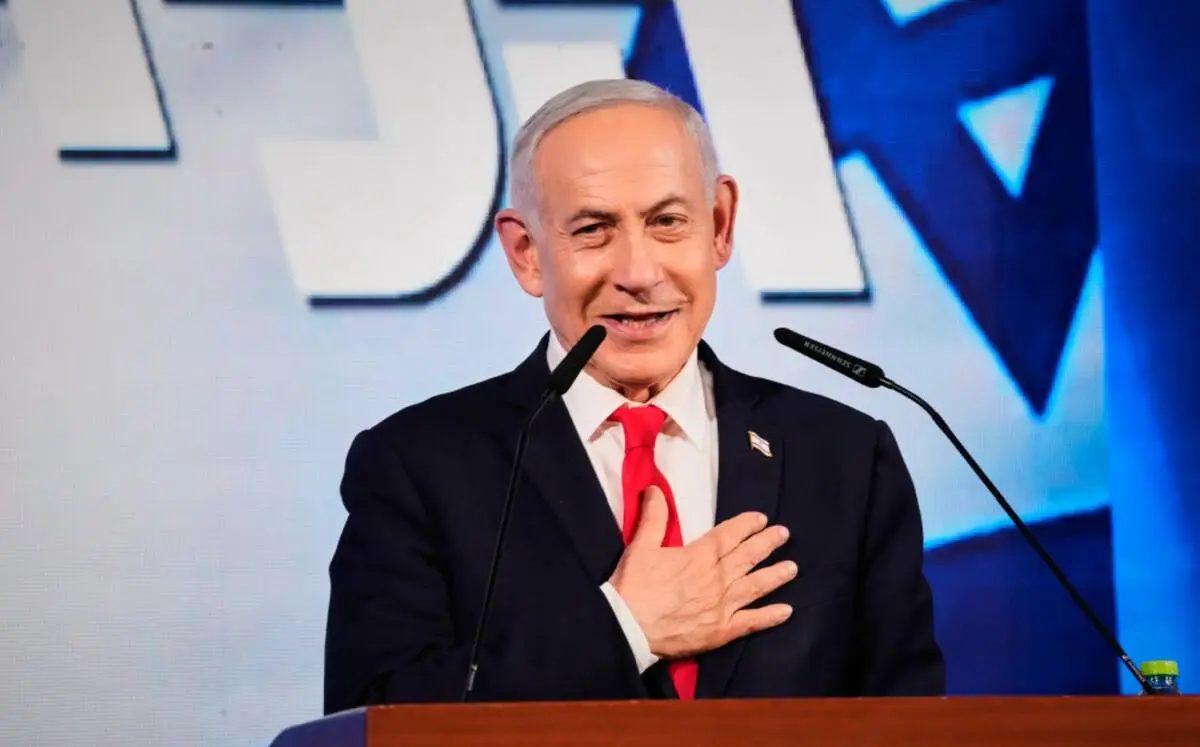
Israelis are closely watching final election results after Tuesday's vote produced the highest turnout in over 25 years and dealt a setback to Prime Minister Benjamin Netanyahu's far-right government. With about half the votes counted, Netanyahu's Likud party held 20.6% and centrist challenger Gadi Eisenkot's Yashar party had 16.8%, though seat allocations in the 120-seat Knesset remain unclear.
Exit polls suggest neither Netanyahu's bloc nor Eisenkot's has a clear path to a 61-seat majority, with each projected around 51 seats and Arab-led parties winning about 18. Arab factions appear to have made a historic showing, but it is uncertain whether Eisenkot's potential partners will join a coalition relying on Arab parties, whose constituents make up 20% of Israel's population.
Netanyahu remained defiant early Wednesday, dismissing any partnership with Arab parties as treasonous and insisting on a "strong, right-wing, nationalist government." Eisenkot has left the door open to such cooperation under conditions including recognition of Israel as a Jewish state and Hamas as an extremist group, though some likely allies have ruled that out.
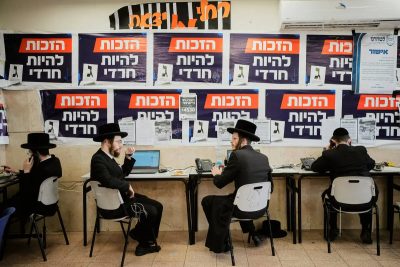
The results reflect voter unease over Netanyahu's far-right alliances and anger over draft exemptions for the ultra-Orthodox. Far-right National Security Minister Itamar Ben-Gvir emerged as a clear loser. Final results, including hundreds of thousands of absentee ballots, are expected in coming days, setting the stage for weeks of negotiations or potentially another election.
Sources: Las Vegas Review-Journal
Original reporting: Las Vegas Review-Journal →

 English (US)·